

Key Takeaways
- Martial arts insurance brokers specialize in connecting dojo owners and instructors with tailored insurance coverage that addresses the unique risks of combat sports training
- Professional brokers like those at igomag.com have over 30 years of experience and can secure comprehensive liability, property, and equipment coverage for martial arts businesses
- Working with a specialized broker ensures access to policies that cover various martial arts styles including Karate, Tae Kwon Do, Kung Fu, and Jiu-Jitsu
- Brokers streamline the insurance process by handling quotes, comparisons, and claims assistance, saving martial arts school owners valuable time and money
- A qualified martial arts insurance broker can help reduce premiums while maximizing protection against liability claims, property damage, and business interruption
Running a martial arts school involves unique risks that standard business insurance simply can’t address. When a student suffers a bodily injury during sparring, your expensive training equipment gets damaged, or liability claims arise from contact activities, you need specialized coverage that understands the martial arts industry. This is where a martial arts insurance broker becomes invaluable.
Unlike generic insurance providers, a martial arts insurance broker possesses deep knowledge of combat sports risks and can connect you with insurance coverage specifically designed for dojos, academies, and martial arts instructors. Whether you teach traditional disciplines like yoshukai karate, goju ryu, shito ryu, wado ryu, uechi ryu, or tang soo do, or modern mixed martial arts, the right broker ensures your martial arts business receives comprehensive financial protection.
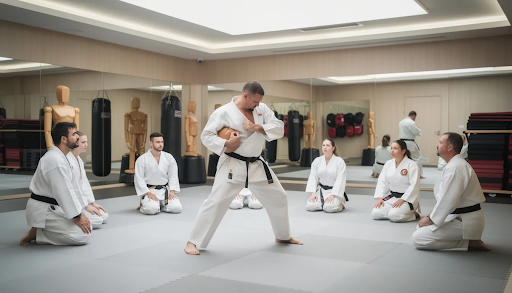
What is a Martial Arts Insurance Broker
A martial arts insurance broker serves as a specialized intermediary between dojo owners and insurance companies, focusing exclusively on the unique coverage needs of combat sports businesses. Unlike direct insurance agents who represent a single insurance company, brokers work independently to find the best insurance coverage options across multiple carriers for their martial arts clients.
These professionals possess extensive experience in evaluating the specific risks associated with various styles of martial arts training. They understand that a non contact tai chi studio faces different liability exposures than a mixed martial arts facility offering full-contact sparring. This specialized knowledge allows them to perform accurate risk assessments and recommend appropriate coverage levels.
A qualified martial arts insurance broker stays current with industry regulations, safety standards, and emerging trends affecting martial arts businesses. They maintain relationships with insurance providers who understand combat sports and can offer coverage for activities that standard business insurance typically excludes, such as weapons training, grappling, and contact sparring.
The distinction between brokers and direct agents is crucial for martial arts studio owners. While an agent represents one insurance company’s interests, a martial arts insurance broker advocates solely for your martial arts business, ensuring you receive optimal coverage at competitive rates.
Services Provided by Martial Arts Insurance Brokers
Professional martial arts insurance brokers offer comprehensive services that extend far beyond simply selling insurance policies. Their expertise begins with thorough risk assessment and evaluation of your martial arts school operations, examining everything from the types of martial arts taught to the age demographics of students and safety protocols in place.
Coverage comparison represents a core service where brokers analyze policies from multiple insurance providers, presenting you with detailed comparisons of coverage options, limits, and pricing. This process saves martial arts studio owners countless hours of research while ensuring they understand exactly what each policy covers and excludes.
Policy customization is where specialized brokers truly demonstrate their value. They understand that a tae kwon do school serving primarily children requires different coverage than a kung fu academy offering adult self defense classes. Brokers work with insurers to modify standard policies, adding endorsements and riders that address your specific operational needs.
When claims occur, experienced brokers provide crucial claims assistance and advocacy throughout the entire process. They understand the fine print of martial arts policies and can effectively communicate with adjusters to ensure fair and prompt claim resolution, whether dealing with student injury medical costs, property damage, or liability claims arising from training sessions.
Annual policy reviews ensure your coverage evolves with your growing martial arts business. As you add new training programs, hire additional employees, or expand to new locations, your broker monitors these changes and adjusts your insurance coverage accordingly.
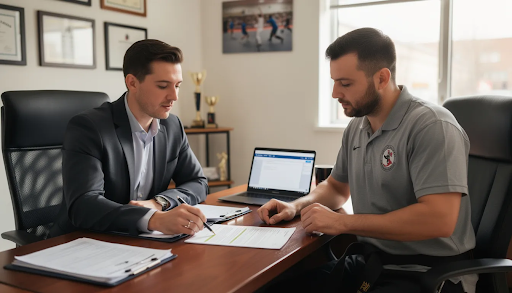
Benefits of Working with a Specialized Martial Arts Insurance Broker
Access to exclusive insurance programs designed specifically for martial arts businesses represents one of the primary advantages of working with a specialized broker. Many insurance companies offer specialized policies for dojos and martial arts instructors that aren’t available through general business insurance channels. These programs often include coverage for activities like weapons training and contact sparring that standard policies exclude.
Cost savings through established broker relationships and group purchasing power can significantly reduce your insurance premiums. Experienced martial arts insurance brokers leverage their volume with carriers to negotiate better rates for their clients. Additionally, their expertise in risk management can help you implement safety measures that qualify for premium discounts.
Time efficiency in obtaining and comparing multiple quotes allows martial arts studio owners to focus on running their businesses rather than navigating complex insurance markets. A single conversation with a specialized broker can replace weeks of individual research and phone calls to various insurance providers.
Expert guidance on coverage limits and deductible selection ensures you maintain adequate financial protection without overpaying for unnecessary coverage. Brokers help you understand how different coverage limits affect your premiums and what deductible levels make sense for your martial arts business cash flow.
Ongoing support for policy changes and business growth means your insurance adapts seamlessly as your martial arts school evolves. Whether you’re adding new martial artists to your team, expanding training programs, or opening additional locations, your broker ensures continuous coverage without gaps.
Professional claims advocacy maximizes settlements and ensures fair treatment from insurance companies. When liability claims or property damage occurs, having an experienced advocate who understands martial arts operations can make the difference between a fair settlement and a denied claim.
How to Choose the Right Martial Arts Insurance Broker
Verification of broker licensing and credentials in your state represents the essential first step in selecting a qualified professional. Every legitimate insurance broker must maintain proper licensing, and you can verify this through your state’s insurance department website. Look for brokers who hold additional certifications in commercial insurance or risk management.
Assessment of their experience specifically with martial arts insurance separates true specialists from general business brokers. Ask potential brokers about the number of martial arts clients they serve, the types of martial arts disciplines they’ve worked with, and their familiarity with industry-specific risks like liability claims arising from contact training.
Review of client testimonials and industry references provides valuable insight into a broker’s service quality and claims handling capabilities. Request references from other martial arts studio owners, particularly those operating similar training programs or teaching comparable martial arts styles.
Evaluation of their carrier relationships and coverage options determines whether they can access the specialized policies your martial arts business needs. Top martial arts insurance brokers maintain relationships with multiple carriers offering combat sports coverage, ensuring you receive competitive options rather than being limited to a single insurance provider.
Consideration of their claims support and response time becomes crucial when you need assistance during stressful situations. Ask about their claims reporting process, how quickly they respond to urgent situations, and what level of support they provide throughout the claims process.
Analysis of their fee structure and compensation model ensures transparency in your business relationship. Most reputable martial arts insurance brokers receive compensation through insurance company commissions rather than charging direct fees to clients, but you should understand exactly how your broker gets paid.

Types of Coverage Martial Arts Insurance Brokers Arrange
Liability Protection
General liability insurance represents the cornerstone of martial arts business protection, covering bodily injury and property damage claims from third parties. This essential coverage protects your martial arts studio when students, visitors, or spectators suffer injuries due to your business operations. For martial arts schools, this includes coverage for slip-and-fall accidents, injuries from defective equipment, and various other liability exposures.
Professional liability coverage, also known as errors and omissions insurance, protects martial arts instructors against claims alleging negligent instruction, improper supervision, or training-related errors. This coverage becomes particularly important for schools offering contact disciplines where improper technique instruction could lead to serious physical injury.
Product liability coverage protects your martial arts business when equipment-related incidents cause bodily injury or property damage. Whether a training dummy falls on a student or protective gear fails during sparring, this coverage addresses liability claims arising from the products you use in your training programs.
Assault and battery coverage specifically addresses the unique needs of contact martial arts disciplines. Since traditional general liability policies typically exclude intentional acts, martial arts studios teaching mixed martial arts, full-contact karate, or other combat sports need specialized coverage that protects against claims arising from sanctioned contact activities.
Property and Equipment Insurance
Building coverage protects owned or leased martial arts facilities against property damage from covered perils like fire, vandalism, or severe weather. For studio owners who own their buildings, this coverage pays replacement costs for structural damage. Tenants need coverage for improvements and betterments made to leased premises rented for their martial arts operations.
Equipment protection covers the substantial investment in specialized training gear including mats, heavy bags, protective equipment, mirrors, and training weapons. Quality martial arts equipment represents a significant financial investment that requires proper insurance protection against theft, vandalism, or accidental damage.
Business personal property coverage protects office contents, computers, sound systems, and other non-training-related property essential to your martial arts business operations. This includes furniture, filing cabinets, student records, and technology used for business management.
Equipment breakdown insurance covers mechanical failure of specialized training machines like cardio equipment or resistance training devices. When these expensive items break down outside of warranty coverage, this insurance helps cover replacement costs and lost wages during equipment downtime.
Business Protection Coverages
Business interruption insurance provides crucial financial protection when covered events force temporary closure of your martial arts studio. This coverage replaces lost income and helps pay continuing expenses like rent and utilities while your facility undergoes repairs, ensuring your martial arts business survives unexpected interruptions.
Cyber liability protection addresses the growing digital risks facing modern martial arts studios that store student information, process credit card payments online, or use digital scheduling systems. Coverage includes costs associated with data breaches, system restoration, and regulatory compliance requirements.
Workers compensation insurance is legally required in most states when you employ martial arts instructors, administrative staff, or other employees. This coverage pays medical expenses and lost wages when employees suffer work-related injuries, including instructors injured while demonstrating techniques or office staff hurt in workplace accidents.
Employment practices liability protects your martial arts studio against claims alleging wrongful termination, discrimination, harassment, or other employment-related issues. As your school grows and you hire additional employees, this coverage becomes increasingly important for comprehensive financial protection.

The Process of Working with a Martial Arts Insurance Broker
Initial consultation begins the relationship as your martial arts insurance broker assesses your current operations, existing insurance coverage, and specific risk exposures. During this meeting, you’ll discuss your training programs, student demographics, facility details, and any previous liability claims or incidents affecting your martial arts business.
Risk evaluation involves a comprehensive review of your martial arts school operations, often including a facility inspection where the broker examines safety protocols, equipment conditions, and training areas. This evaluation helps identify potential exposures and demonstrates to insurance companies that your studio maintains appropriate risk management practices.
Quote procurement follows as your broker solicits proposals from multiple insurance providers specializing in martial arts coverage. Rather than spending weeks contacting various insurance companies yourself, your broker leverages established relationships to quickly obtain competitive quotes tailored to your specific needs.
Policy presentation includes detailed explanations of coverage options, limits, deductibles, and exclusions for each quoted policy. Your broker helps you understand the differences between policies, explaining technical insurance language in terms relevant to your martial arts operations and recommending optimal coverage levels.
Application completion and underwriting support continues throughout the process as your broker assists with paperwork, answers underwriter questions, and advocates for favorable terms. Their expertise in martial arts insurance helps prevent delays and ensures accurate information reaches the insurance company.
Policy implementation includes certificate issuance for landlords or other parties requiring proof of insurance, delivery of policy documents, and explanation of claims reporting procedures. Your broker ensures you understand exactly what is covered and how to properly report incidents when they occur.
Ongoing service extends beyond policy placement to include annual reviews, claims assistance, and coverage updates as your martial arts business grows. This relationship ensures your insurance protection evolves with changing needs and industry developments.

FAQ
How much does it cost to work with a martial arts insurance broker?
Most martial arts insurance brokers are compensated through commissions paid by insurance companies, meaning their services typically cost dojo owners nothing additional. The broker’s commission is built into the insurance premium, and brokers often secure better rates due to their carrier relationships, potentially saving you money overall compared to purchasing coverage directly.
Can a martial arts insurance broker help if my current insurance provider denies a claim?
Yes, experienced martial arts insurance brokers provide claims advocacy services, working directly with insurance companies to ensure proper claim handling and maximum settlements. They understand martial arts-specific coverage nuances and can effectively communicate the validity of claims to insurers, often achieving better outcomes than studio owners could accomplish alone.
Do I need a different broker for different types of martial arts programs?
A specialized martial arts insurance broker typically handles all combat sports disciplines including various styles of karate, judo, jiu-jitsu, mixed martial arts, and traditional weapons training. However, some extremely high-risk activities like professional MMA events or military personnel training programs may require brokers with specific expertise in those specialized areas.
How often should I review my martial arts insurance with my broker?
You should conduct annual policy reviews with your broker to ensure coverage keeps pace with business growth, enrollment changes, and new program offerings. Additionally, contact your broker immediately when adding new locations, employees, or martial arts disciplines to your school, as these changes may affect your coverage needs and premium costs.
What information do I need to provide to a martial arts insurance broker for an accurate quote?
Brokers typically need details about your facility size, number of students and instructors, martial arts styles taught, annual revenue, safety protocols, instructor qualifications, and any previous insurance claims. Having this information ready, along with details about whether you offer full-contact training, weapons instruction, or children’s programs, helps brokers provide accurate quotes and appropriate coverage recommendations for your specific martial arts business needs.