

Key Takeaways
- Martial arts studio lease insurance protects both tenants and landlords from liability claims, property damage, and business interruptions specific to rental agreements
- Most commercial leases require tenants to carry minimum $1 million general liability coverage and name the landlord as additional insured
- Certificate of insurance must be provided to landlords before lease signing, typically renewed annually or when policies change
- Tenant liability coverage protects against damage to leased premises from martial arts activities like heavy bag training, mat installation, and student injuries
- Proper lease insurance ensures compliance with rental agreements and protects your martial arts business from costly liability claims and lease violations
Opening a martial arts studio in a leased space requires more than just finding the right location and installing mats. Commercial landlords have specific insurance requirements that martial arts studio owners must meet before they can even sign their lease. Understanding martial arts studio lease insurance isn’t just about compliance—it’s about protecting your martial arts business from potentially devastating financial protection risks.
Unlike operating from your home or teaching in public spaces, leasing commercial space creates unique insurance obligations. Your landlord’s property, other tenants, and the public all become part of your risk equation. The specialized nature of martial arts training—with its inherent injury risks from disciplines like Krav Maga, Brazilian jiu jitsu, and boxing—makes proper insurance coverage even more critical.
This comprehensive guide will walk you through everything martial arts studio owners need to know about lease insurance requirements, from understanding basic coverage types to securing affordable premiums while maintaining adequate protection.
Understanding Martial Arts Studio Lease Insurance
Martial arts studio lease insurance represents a specialized portfolio of coverage designed specifically for martial arts schools operating in rented facilities. This isn’t a single policy type, but rather a carefully coordinated set of property and liability coverages that satisfy both lease obligations and protect your martial arts business from the unique risks of teaching martial arts.
The key distinction between standard martial arts studio insurance and lease-specific coverage lies in the additional protection requirements mandated by commercial rental agreements. While a home-based martial arts instructor might only need basic liability coverage, a leased facility demands comprehensive protection that shields both the tenant and landlord from claims arising from the premises and operations.
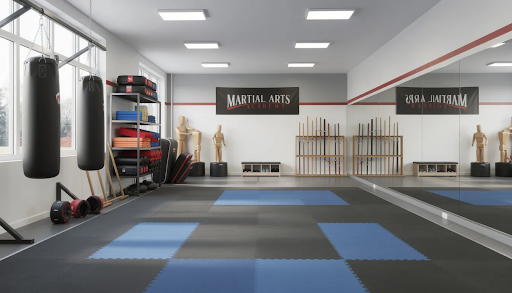
Most commercial leases require martial arts studios to carry significantly higher coverage limits than other businesses due to the physical nature of martial arts training. Activities like sparring, grappling, weapons training, and even basic self defense instruction create elevated injury risks that landlords want adequately covered. Additionally, the specialized equipment used in martial arts schools—heavy bags, mirrors, specialized flooring—creates unique property damage exposures.
The complexity of martial arts studio lease insurance stems from its intersection of commercial real estate risk, sports and fitness liability, and professional instruction responsibilities. Studio owners must navigate landlord requirements while ensuring their coverage truly protects their martial arts business from the wide range of potential claims arising from training programs.
Landlord Insurance Requirements for Martial Arts Studios
Commercial landlords typically impose specific insurance requirements on martial arts studio tenants that go far beyond basic business coverage. Understanding these requirements is crucial for lease negotiation and ongoing compliance.
The standard minimum general liability coverage required by most commercial leases ranges from $1 million to $2 million per occurrence, with aggregate limits often doubling these amounts. For martial arts studios, these minimums are particularly important given the frequency of participant injuries in contact training. Many landlords have learned from experience that lower limits can be quickly exhausted when multiple injury claims arise from a single incident or training session.
Property damage coverage requirements typically range from $100,000 to $500,000 specifically for tenant improvements and leased equipment. This coverage becomes essential when martial arts studios install specialized flooring, mirrors, or mount heavy bags that could potentially damage the landlord’s property. The lease often makes tenants responsible for any damage to the premises caused by their activities, regardless of whether the damage was intentional.
Workers compensation insurance mandates apply to virtually all martial arts studios with employees in most states. Landlords require proof of coverage because uninsured employee injuries can create liability exposure for property owners. The state minimum coverage amounts vary, but martial arts instructors and training staff face higher injury risks than typical office workers, making adequate coverage particularly important.
Additional insured endorsements represent one of the most critical lease requirements. Landlords, property management companies, and mortgage holders must be named as protected parties under the tenant’s liability policy. This requirement ensures that if a student injury claim names both the studio and the landlord, the tenant’s insurance will defend and potentially pay claims on behalf of all parties.
The 30-day cancellation notice requirement ensures landlords receive advance warning of policy changes or cancellations. Many leases specify that failure to maintain required insurance or provide proper notice constitutes a lease default, potentially leading to eviction proceedings.
Essential Coverage Types for Leased Martial Arts Facilities
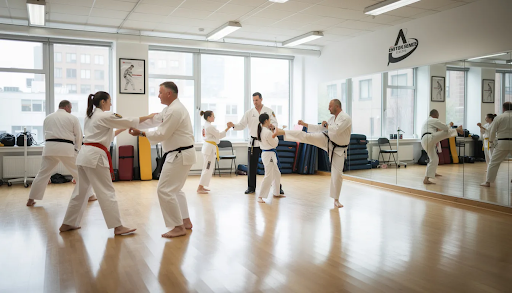
Martial arts studios operating in leased facilities need several distinct types of insurance coverage to satisfy lease requirements and protect their operations. Each coverage type addresses specific risks inherent in martial arts instruction and premises operation.
General liability insurance forms the foundation of martial arts studio lease insurance, covering third-party bodily injury, property damage, and personal injury claims arising from studio operations. This coverage responds when students are injured during training sessions, visitors slip and fall in the lobby, or instructor negligence claims arise from improper supervision. For martial arts studios, this coverage must specifically include participant legal liability, as standard general liability policies often exclude injury to participants in organized activities.
Premises liability protection extends beyond the training floor to cover slip-and-fall accidents in lobby areas, locker rooms, and even parking lots where the lease assigns responsibility to the tenant. Many martial arts studio owners underestimate their premises liability exposure, particularly for areas outside their direct control but included in their lease obligations.
Tenant improvements and betterments coverage protects the substantial investments martial arts studios make in custom flooring, mirrors, and specialized equipment installations. When a studio installs $50,000 worth of martial arts-specific improvements, standard property insurance may not adequately cover replacement costs. This coverage ensures the studio can rebuild after property damage without relying on the landlord’s building insurance, which typically only restores basic space.
Business personal property insurance covers movable equipment like heavy bags, mats, protective gear, and training weapons. The replacement costs for a fully equipped martial arts studio can easily reach $100,000 or more, making adequate coverage limits essential for business continuity after covered events.
Specialized Coverage Considerations
Professional liability insurance for martial arts instructors provides crucial protection against claims of improper instruction in specialized disciplines. Whether teaching traditional martial arts like Kung Fu and Tai Chi or modern combat sports, instructors can face allegations of negligent training methods, failure to enforce safety protocols, or inadequate supervision during sparring sessions.
Product liability coverage becomes important for martial arts studios that sell equipment, protective gear, or training weapons within their leased facility. If defective equipment sold by the studio causes injury, both the studio and landlord could face legal action. This coverage also extends to equipment rental programs where students use studio-owned gear.
Cyber liability protection addresses the growing digital risks facing martial arts businesses. Student data, payment processing systems, and online class scheduling platforms all create potential cyber exposures. With increasing data breach regulations and privacy requirements, cyber coverage helps protect both the business and student information.
Business interruption insurance covers rent payments and other continuing expenses during forced closures from property damage or government mandates. For martial arts studios locked into long-term commercial leases, this coverage can mean the difference between surviving a temporary closure and losing the business entirely.
Certificate of Insurance Requirements and Management
The certificate of insurance serves as proof that your martial arts studio maintains the coverage required by your lease agreement. Understanding the proper format, timing, and content requirements prevents compliance issues that could jeopardize your lease.
Certificate of insurance format requirements typically mandate ACORD 25 forms, the industry standard for commercial insurance certificates. These forms must include specific landlord information, coverage details, policy numbers, and effective dates. The certificate must clearly show that coverage meets or exceeds the minimum limits specified in your lease agreement.
Timeline requirements for certificate delivery are strictly enforced by most landlords. Initial certificates are typically required 30 days before lease commencement, with annual updates due within 30 days of policy renewal. Some property management companies request certificates more frequently, particularly for martial arts studios where they perceive higher risks.
Proper additional insured language must specify “landlord, its agents, employees, and management companies” as protected parties. Vague language like “as their interest may appear” often fails to satisfy lease requirements. The certificate should clearly state that the landlord receives the same protection as if they were directly named on the policy.
Primary and non-contributory insurance clauses ensure tenant coverage pays first before the landlord’s insurance becomes involved in claim settlements. This requirement protects landlords from having their insurance rates affected by claims arising from tenant operations. Most commercial leases now require specific primary and non-contributory endorsements rather than general language.
Waiver of subrogation endorsements prevent the martial arts studio’s insurance company from pursuing the landlord for reimbursement after paying covered claims. This endorsement is particularly important when property damage results from combined tenant and landlord actions or negligence.
Additional Insured Requirements and Endorsements

Understanding additional insured requirements goes beyond simply naming the landlord on your policy. The specific endorsement language and scope of coverage provided can significantly impact both compliance and claim outcomes.
Blanket additional insured endorsements automatically cover landlords without requiring specific naming for each location. This approach works well for martial arts studios planning to expand to multiple locations, as it eliminates the need to modify the policy for each new lease. However, some landlords prefer to be specifically named to ensure clear coverage confirmation.
Primary insurance endorsements ensure that the tenant’s policy responds first to covered claims involving leased premises, regardless of other insurance the landlord might carry. Without primary insurance endorsements, the martial arts studio’s coverage might only contribute proportionally to claim settlements, leaving gaps in protection.
Separation of insureds clauses provide independent coverage for each additional insured party, treating them as if they had separate policies. This provision prevents one party’s actions from affecting coverage for others and ensures that policy limits apply separately to each insured party’s interests.
Coverage territory requirements ensure protection extends to all leased martial arts studio locations, including any off-site training venues or demonstration areas included in lease agreements. Many policies restrict coverage to specifically scheduled premises, requiring endorsements for broader territorial coverage.
Tips for Securing Affordable Lease Insurance
Managing martial arts studio lease insurance costs requires balancing adequate protection with budget constraints. Understanding the factors that influence premiums helps studio owners make informed decisions about coverage and cost management.
Shopping with insurers experienced in martial arts and fitness industry risks provides significant advantages in both pricing and coverage quality. Organizations specializing in martial arts insurance understand the unique exposures and can offer more competitive rates than general commercial insurers who may view martial arts as unusually risky.
Bundling general liability, property, and workers compensation coverage with single carriers typically generates premium discounts of 10-25%. Many insurers offer Business Owner’s Policy packages that combine multiple coverage types at reduced cost compared to purchasing each separately. For martial arts studios, these packages often include business interruption and other essential coverages.
Implementing documented safety protocols, instructor certification requirements, and equipment maintenance programs demonstrates risk management commitment that insurers reward with lower premiums. Regular safety training, background checks for instructors, and formal incident reporting procedures all contribute to favorable underwriting assessments.
Considering higher deductibles on property coverage can substantially lower monthly premiums while maintaining adequate liability limits required by lease agreements. Since liability claims typically pose greater financial threats than property losses, directing premium savings toward higher liability limits often provides better overall protection.
Reviewing lease insurance requirements during lease negotiations ensures reasonable coverage limits and helps avoid excessive requirements that unnecessarily increase insurance costs. Some landlords may be willing to accept slightly lower limits in exchange for other lease concessions or longer-term commitments.
Common Cost Factors
Studio size and student enrollment directly affect liability exposure and premium calculations. Larger facilities with more students generate higher premiums due to increased injury frequency potential, while smaller studios may qualify for minimum premium programs.
Martial arts disciplines taught significantly impact insurance costs, with higher-contact sports like mixed martial arts, Muay Thai, and boxing typically costing more to insure than traditional disciplines like Tai Chi or Tang Soo Do. Full-contact sparring, weapons training, and competition preparation all increase risk assessments.
Location factors including crime rates, natural disaster exposure, and local litigation trends influence both property and liability premiums. Urban locations often face higher liability costs due to increased litigation frequency, while areas prone to natural disasters see elevated property insurance rates.
Claims history and safety record impact renewal premiums and coverage availability more than any other factor. Martial arts studios with frequent injury claims or property damage may face substantial rate increases or coverage restrictions, making proactive risk management essential for long-term affordability.
Frequently Asked Questions
What happens if my martial arts studio insurance doesn’t meet lease requirements?
Landlords can declare lease default and potentially terminate your rental agreement for insurance violations. This represents one of the most serious compliance risks facing martial arts studio owners, as lease termination can force business closure or expensive relocation.
You may be required to purchase expensive landlord-arranged coverage at significantly higher costs than market rates. Some leases include provisions allowing landlords to purchase insurance on behalf of defaulting tenants and charge the full cost back as additional rent.
Business operations could be suspended until proper insurance certificates are provided, creating immediate income loss and potential student attrition. Many landlords will not allow operations to continue without proof of adequate coverage, regardless of business impact.
Legal liability for damages may increase without adequate additional insured protection. If the landlord faces claims without proper additional insured coverage, they may pursue the tenant directly for damages and defense costs that insurance should have covered.
Do I need separate insurance for martial arts tournaments and events in my leased space?
Most standard policies exclude tournament and competition activities, requiring separate event coverage for these higher-risk activities. The increased injury potential from competitive sparring and the presence of non-students creates exposures that regular instruction policies don’t address.
Check lease agreements for restrictions on tournaments and additional insurance requirements for events. Many leases prohibit tournaments without landlord approval and may require higher coverage limits or separate event insurance for protection.
Event insurance typically costs $200-500 per tournament depending on participants and activities involved. Factors affecting cost include the number of participants, competition level, and specific martial arts disciplines featured.
Some insurers offer annual tournament coverage endorsements for studios hosting regular competitions, which can be more cost-effective than purchasing separate event policies for each tournament. These endorsements typically require advance notice and may exclude certain high-risk activities.
Can I use my home-based martial arts instructor insurance for a commercial lease?
Home-based policies typically exclude commercial premises and won’t satisfy lease requirements for adequate coverage limits. Personal instructor policies are designed for home instruction or teaching in others’ facilities, not for commercial premises operation.
Commercial landlords require specific business insurance with adequate liability limits and additional insured coverage that home-based policies cannot provide. The risk profile of operating a commercial facility differs significantly from home-based instruction.
Personal instructor coverage usually provides only $100,000-300,000 limits compared to the $1 million minimums required by most commercial leases. This coverage gap leaves both the studio and landlord exposed to significant financial risk from larger claims.
Separate commercial studio insurance becomes necessary when transitioning from home instruction to leased facilities. The good news is that many insurers offer programs specifically designed for this transition, helping instructors understand their new coverage needs.
How often must I provide updated insurance certificates to my landlord?
Annual certificate updates are standard when policies renew, typically required within 30 days of renewal to maintain lease compliance. Landlords need current certificates to verify that coverage continues without interruption.
Immediate notification is required for any coverage changes, cancellations, or carrier switches that might affect the protection promised in your lease agreement. Even minor policy modifications may require new certificates if they impact required coverage.
Many leases require 30-60 day advance notice of insurance policy cancellations or non-renewals to give landlords time to address potential coverage gaps. This advance notice period protects landlords from sudden loss of protection.
Property management companies may request certificates for their files even when no policy changes occur, particularly for martial arts studios where they maintain closer oversight due to perceived higher risks.
What if my insurance company won’t add my landlord as additional insured?
Most commercial insurers routinely provide additional insured endorsements for minimal additional cost as part of standard business coverage. Refusal to provide this endorsement often indicates either a misunderstanding or an insurer inexperienced with commercial real estate requirements.
Consider switching to martial arts specialty insurers who understand standard lease requirements and build additional insured capability into their policy forms. These organizations specializing in martial arts coverage anticipate landlord requirements and structure their policies accordingly.
Review your current policy language carefully, as blanket additional insured coverage may already include landlords for premises liability exposures. Many modern commercial policies include automatic additional insured coverage for parties required by written contract.
Working with insurance agents experienced in commercial fitness and martial arts coverage needs ensures proper endorsements and helps avoid compliance problems that could jeopardize your lease agreement and business operations.